
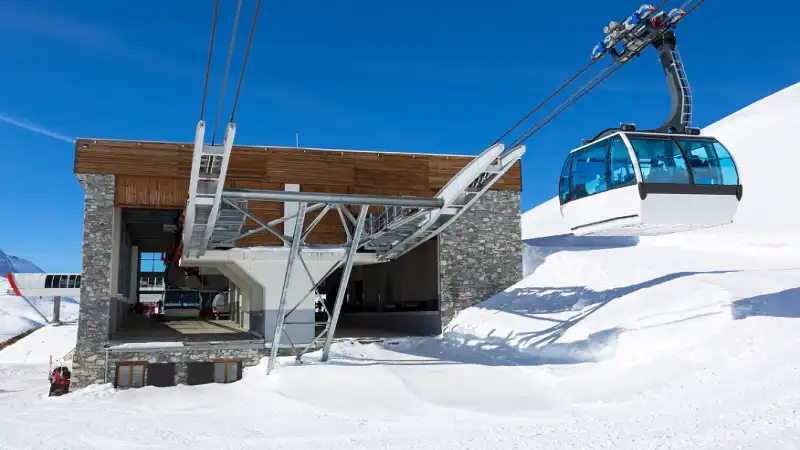
Over the decades, ski resort architecture has undergone significant transformations. Blending the local heritage with the burgeoning demands of modern tourism, architects and designers strive to create spaces that resonate with both tradition and innovation. This evolution is not merely aesthetic; it involves accommodating technological advancements, sustainability, and the ever-increasing expectations of international visitors. Understanding the evolution of these spaces offers insight into the dynamic interplay between maintaining historical charm and embracing the future. As we delve into this topic, we’ll explore the myriad elements that contribute to this architectural evolution.
THE ROOTS OF ALPINE ARCHITECTURE
The history of ski resort architecture is deeply rooted in the traditional alpine style, characterized by wooden chalets, sloped roofs, and intricate woodwork. These designs were primarily functional, addressing the region’s harsh winters and heavy snowfall. Sheltered beneath insulated interiors and sturdy exteriors, early lodges provided warmth and safety. This architectural language conveyed a sense of coziness and warmth, seamlessly integrating with the picturesque landscapes. However, with the rise of skiing as a popular winter sport in the 20th century, the architectural landscape of ski resorts began to evolve to accommodate a growing influx of tourists. This shift demanded a balance between preserving cultural identity and integrating modern amenities.
MODERN ARCHITECTURAL INNOVATIONS IN SKI RESORTS
Modern ski resort architecture now often embraces minimalism and the use of durable materials like glass and steel, offering panoramic views without compromising the thermal efficiency needed in colder climates. Resorts today marry technology with comfort through smart home features and sustainable practices like geothermal heating. Such innovations have redefined the luxury experience, drawing in an international clientele that seeks sophistication paired with the authenticity of a mountain retreat. Architects now face the challenge of creating designs that are both luxurious and environmentally conscious, aiming to reduce ecological footprints while enhancing the guest experience.
THE INFLUENCE OF GLOBALIZATION
Globalization has significantly influenced the architectural styles of ski resorts across the world. Designers now draw inspiration from various cultures, creating spaces that appeal to a diverse clientele. This fusion has led to unique architectural styles that are both functional and aesthetically pleasing. As ski resorts aim to attract tourists from different parts of the globe, incorporating international styles has become increasingly common, blending seamlessly with local traditions. However, this globalized approach often sparks debate about the erosion of regional architectural identities, challenging architects to find equilibrium.
MAINTAINING CULTURAL IDENTITY
At the heart of the ski resort industry is the challenge of preserving cultural identity while catering to modern demands. Architects and designers must ensure that new developments complement the local environment and traditions. Incorporating elements such as native materials, local artwork, and traditional building techniques ensures that ski resorts maintain their distinct cultural essence. To some, the question What is the best ski holiday company in the UK? is not simply about facilities but also the cultural immersion provided by the resort’s design.
TECHNOLOGICAL ADVANCEMENTS AND SUSTAINABILITY
The integration of technology into ski resort architecture has revolutionized the industry. Technological advancements have made it possible to design energy-efficient structures that are also sustainable. Through the use of renewable energy sources, such as solar panels and geothermal systems, ski resorts minimize their environmental impact while optimizing guest comfort. Furthermore, technology facilitates better water and waste management systems, ensuring that resorts leave a minimal carbon footprint. The seamless incorporation of technology has become a hallmark of innovative ski resort architecture.
CHALLENGES IN CONTEMPORARY DESIGN
Contemporary resort architects face numerous challenges, one of which is balancing economic feasibility with artistic vision. The financial investment required for cutting-edge, sustainable designs is substantial, often leading to compromises on certain architectural elements. Additionally, ensuring accessibility to all visitors while maintaining aesthetic appeal is vital. The challenge lies in creating spaces that are welcoming and functional without overshadowing the natural beauty that draws visitors in the first place. Addressing these challenges requires creativity and problem-solving from the architectural community.
HOW TECHNOLOGY IS SHAPING SKI RESORTS
The ongoing technological revolution is redefining guest experience in ski resorts. From automated check-ins to personalized guest services, technology enhances efficiency and satisfaction. New design concepts incorporate smart room functionalities and digital connectivity, aligning with the expectations of tech-savvy travelers. Developments such as virtual reality experiences and smartphone apps that track skiing patterns enrich the visitor experience, making resorts more appealing to a younger, technology-oriented audience. These technological elements are now crucial in determining the appeal and competitiveness of ski destinations.
STRIKING A BALANCE: TRADITION VS. MODERNITY
A critical aspect of ski resort architecture is striking a balance between tradition and modernity. While contemporary elements draw sophisticated travelers, there is an increasing demand for authenticity and cultural preservation within architectural design. Resorts that successfully blend the new with the old often become iconic, as they provide visitors a unique experience that feels rooted in history yet charged with modern conveniences. The ability to balance these elements can influence a resort’s reputation, leaving a lasting impact on its visitors.
THE FUTURE OF SKI RESORT ARCHITECTURE
The future of ski resort architecture is likely to be defined by an emphasis on sustainability, personalization, and technological integration. As the industry evolves, there will be an increasing focus on creating eco-friendly spaces that offer a bespoke experience tailored to individual visitors. Innovations in building materials and construction techniques will further reduce environmental impact. The role of architects and planners will continue to be crucial in dictating how ski resorts evolve, balancing these future needs with the traditions that have been integral to the industry.
CONCLUSION
Ski resort architecture is a testament to the ongoing dialogue between tradition and modernity. Each resort tells a story, integrating cultural history while embracing the future with open arms. As the industry continues to evolve, the challenges and opportunities presented will shape the architectural landscape in profound ways. By embracing both tradition and innovation, ski resorts will not only preserve their cultural legacy but also enhance the overall experience, ensuring their place as a quintessential part of the travel industry for years to come.
See more riproar