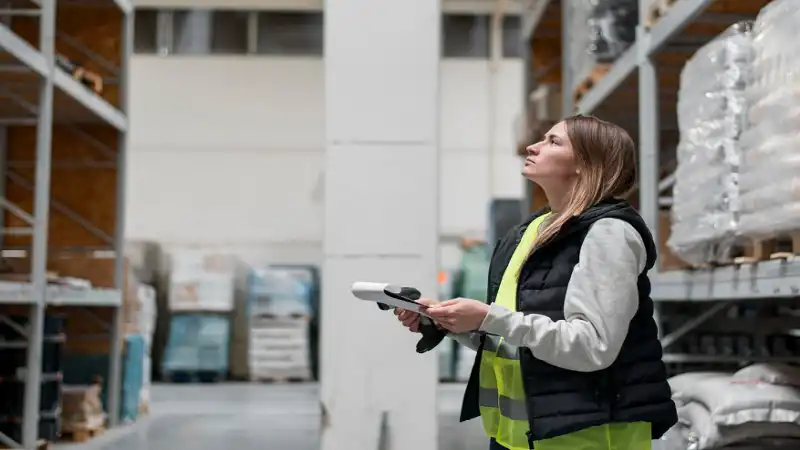
In the ever-growing landscape of global commerce, the demand for warehouse space is constantly rising. Companies, both large and small, are exploring innovative solutions to maximize storage efficiency and handling capabilities. Warehouse managers are not only focusing on expanding horizontally but are also keen on finding ways to enhance vertical space utilization. By employing cutting-edge technologies and strategic designs, businesses aim to accommodate increasing inventory demands while maintaining operational excellence. With real estate costs climbing, especially in urban areas, improving vertical space usage has become a key component in managing warehouse efficiency and addressing contemporary logistical challenges.
UNDERSTANDING THE NEED FOR SPACE OPTIMIZATION
In today’s fast-paced economy, the role of warehouses has evolved beyond simple storage facilities. They are now integral parts of supply chain management, designed to expedite the flow of goods and products. As online retail and e-commerce continue to surge, warehouses must handle larger volumes with precision and speed. Yet, with limited land availability and surging real estate prices, expanding horizontally is often not feasible. Hence, the emphasis has shifted towards optimizing the existing space efficiently. By maximizing the vertical space within warehouses, businesses can significantly increase their storage capacity without the need for costly expansions, thus ensuring they remain agile and competitive.
THE ROLE OF TECHNOLOGY IN SPACE UTILIZATION
Technological advancements are revolutionizing the way modern warehouses operate. Automated Storage and Retrieval Systems (AS/RS) have become game-changers in maximizing vertical space. These systems allow warehouses to store and retrieve items efficiently from towering shelving units without manual intervention. Artificial intelligence, coupled with robotics, facilitates these processes, reducing errors and increasing pick rates. The implementation of IoT (Internet of Things) has further enhanced warehouse management systems, allowing real-time tracking and inventory management. As a result, businesses can gain insights into storage patterns, enabling them to optimize space usage further while reducing operational costs and improving service delivery.
MEZZANINE FLOOR FOR WAREHOUSE SOLUTIONS
One popular approach to optimizing vertical space is through the installation of mezzanine floors. A mezzanine floor for warehouse applications involves creating additional floor levels within the existing warehouse structure. This cost-effective solution effectively doubles or triples the usable space without requiring new construction. Mezzanines can be designed to accommodate a variety of needs, from additional storage areas to office spaces or staff facilities, all while maintaining the structural integrity of the building. By elevating the usable space, businesses can address the dilemma of horizontal space constraints and vastly improve their warehouse efficiency.
ERGONOMIC CONSIDERATIONS IN WAREHOUSE DESIGN
While maximizing storage capacity is crucial, it’s equally important to consider the ergonomic requirements of warehouse employees. A well-designed warehouse prioritizes the safety and comfort of its workers, addressing concerns such as accessibility, lighting, and ventilation. Innovative warehouse layouts ensure that employees can perform their tasks efficiently without strain or injury. When implementing vertical storage solutions, it’s important to maintain safe aisle widths, install guardrails on mezzanines, and ensure adequate lighting. These considerations not only protect the workforce but also contribute to operational efficiency, reducing downtime and minimizing the risk of workplace accidents.
BALANCING COST AND FUNCTIONALITY
As businesses explore solutions for maximizing vertical space, cost becomes a critical factor. Installing advanced systems like AS/RS or mezzanines requires significant upfront investment. However, these solutions often result in substantial long-term savings, as they enable businesses to delay or avoid the need for additional warehousing facilities, often associated with high property ownership costs in Australia and other regions. The financial benefits include reduced overheads in terms of lease or mortgage payments, utilities, and maintenance. Additionally, enhanced inventory management capabilities and improved order fulfillment efficiency can lead to increased customer satisfaction, which in turn drives revenue growth.
CASE STUDIES: SUCCESS STORIES IN SPACE OPTIMIZATION
Several companies have successfully implemented space optimization strategies, achieving remarkable outcomes. Notable examples include e-commerce giants and retailers that have adopted state-of-the-art automation and vertical storage solutions to keep up with increasing demand. By leveraging technology and innovative design, these businesses have not only expanded their storage capabilities but also reduced operational redundancies. With a strong focus on energy efficiency and sustainability, many have significantly reduced their carbon footprint as a byproduct. Such success stories illustrate the profound impact of vertical space optimization on operational performance and sustainability in the warehousing sector.
SUSTAINABILITY AND ENVIRONMENTAL IMPACT
Maximizing vertical space in warehouses contributes positively to sustainability initiatives. Efficient space utilization reduces the need for extensive land use and minimizes the environmental impact of new constructions. Advanced systems, such as energy-efficient lighting and climate control, are increasingly integrated into warehouse designs to ensure eco-friendly operations. Furthermore, by optimizing inventory management and reducing waste, businesses can implement more sustainable practices. As more companies commit to reducing their carbon footprint, innovative vertical space solutions offer a path toward sustainable growth, aligning with global environmental goals and corporate responsibility efforts.
FUTURE TRENDS IN WAREHOUSE DESIGN
The future of warehouse design is poised to be more innovative than ever. With rapid technological advancements and a growing focus on efficiency and sustainability, new trends are emerging. Concepts like smart warehouses, powered by AI and IoT, will become standard, providing real-time analysis and decision-making capabilities. Vertical farming techniques may also transition into warehouse design, using vertical space for urban agriculture. These trends indicate a shift towards more integrated and multifunctional warehouse environments, where space maximization goes hand in hand with operational efficiency, ultimately driving the industry towards a sustainable future.
CONCLUSION
In conclusion, optimizing vertical space in warehouses represents an essential strategy in modern logistics and supply chain management. By leveraging technological advances and strategic designs, businesses can significantly enhance their storage capabilities and operational efficiency. Solutions such as mezzanine floors and advanced AS/RS systems offer practical ways to make the most of available space while also addressing ergonomic and sustainability concerns. Although the initial investment might be substantial, the long-term benefits in operational cost reduction and increased productivity prove invaluable. As industries evolve and expand, adopting innovative warehouse solutions will be pivotal in meeting the demands of a dynamic market landscape.
See more riproar