
Culture is one of the most important parts of human life. It influences how people communicate, celebrate important occasions, understand traditions, create art, prepare food, and connect. Although culture can provide a strong sense of identity and belonging, it is never completely fixed. It changes as communities grow, generations interact, and new ideas become part of everyday life.
The study of cultural change becomes especially interesting when we look at moments of disagreement, transformation, and social discussion. These moments can reveal what people value and why certain traditions remain important. They can also show how communities respond when established ideas are questioned.
The Culture Riproar Archives can be understood as a useful concept for examining cultural conversations, memorable debates, changing traditions, and the different ways people respond to social and cultural developments. Rather than viewing culture as something that exists only in the past, this approach encourages us to consider it a living part of society.
What Is Culture?
Culture refers to the shared beliefs, customs, values, behaviors, knowledge, and creative expressions of a group of people. It can exist within a country, region, community, family, profession, or even a smaller social group.
Language is an important part of culture because it allows people to communicate ideas and pass knowledge between generations. Food, clothing, music, literature, architecture, festivals, and ceremonies are also common cultural expressions.
Culture is learned rather than inherited, unlike physical characteristics. Children learn cultural practices from parents, relatives, teachers, friends, and the wider community. As people grow older, they may continue traditional practices while also adopting new ones.
Because culture is learned and shared, it can develop over time. A tradition that was common several generations ago may look different today, while some customs may remain surprisingly strong.
Why Cultural Change Matters
Cultural change is a natural part of social development. New technology, migration, education, economic conditions, communication, and contact between different communities can all influence cultural practices.
For example, technology has changed the way people preserve and share music, photographs, stories, and historical information. A family tradition that once existed mainly through spoken storytelling can now be recorded and shared with relatives living in different parts of the world.
Global communication has also increased cultural exchange. People can discover languages, foods, clothing styles, music, films, and traditions from communities that they may never have encountered in person.
However, cultural change can sometimes create disagreement. Some people welcome new ideas, while others worry that important traditions may disappear. These different perspectives can lead to meaningful conversations about identity and values.
Understanding Cultural Riproar
The word “riproar” suggests a period of strong reaction, excitement, disagreement, or public discussion. In a cultural context, it can describe moments when an idea, event, artistic work, tradition, or social development attracts considerable attention.
Cultural disagreements are not necessarily harmful. In many cases, they encourage people to examine assumptions that were previously taken for granted. A debate about traditional clothing, for instance, may lead to broader questions about identity, history, personal choice, and cultural ownership.
Similarly, discussions surrounding music, literature, films, celebrations, or language can reveal differences between generations. Younger people may interpret a tradition differently from older family members, while both groups may believe they are protecting something valuable.
The Culture Riproar Archives therefore represents an opportunity to think about cultural reactions as part of a larger historical and social process. A disagreement may appear temporary, but it can provide useful evidence about the concerns and priorities of a particular period.
The Role of Archives in Preserving Culture
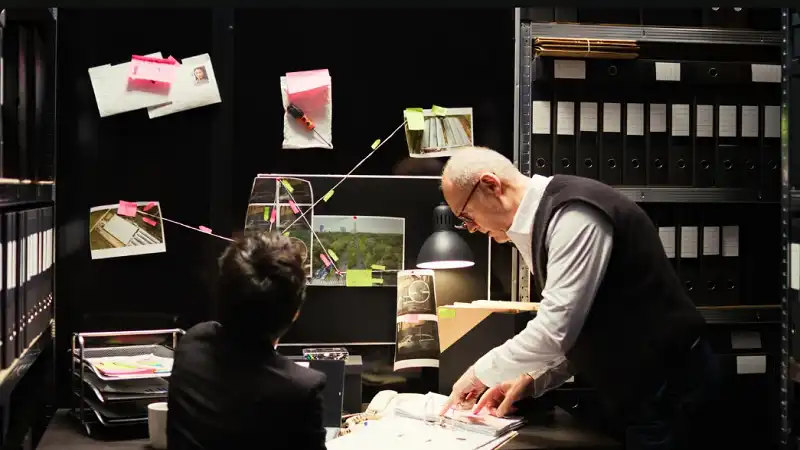
Archives play an important role in preserving information. They may contain written documents, photographs, newspapers, recordings, artwork, interviews, personal letters, and other materials.
Without preservation, many cultural experiences can disappear. Everyday stories are particularly vulnerable because they may never be formally recorded. An archive can help future generations understand how ordinary people lived, communicated, worked, celebrated, and responded to major changes.
Digital technology has expanded the possibilities for cultural preservation. Materials can be photographed, scanned, recorded, cataloged, and stored digitally. This makes cultural information easier to organize and, when appropriate, share with researchers and communities.
At the same time, preservation should be handled carefully. Cultural materials may contain personal information, sacred traditions, or knowledge that communities do not want publicly distributed. Responsible archiving requires respect for privacy, ownership, context, and community preferences.
Culture and Generational Differences
Generational differences are one of the most visible causes of cultural discussion. Each generation grows up under different social and technological conditions. As a result, people may develop different attitudes toward communication, entertainment, work, family life, and traditions.
Older generations may have experienced cultural practices primarily through physical gatherings and face-to-face relationships. Younger generations may experience the same traditions through digital communication and online communities.
These differences do not necessarily mean that one generation values culture more than another. Instead, they demonstrate how cultural expression adapts to changing circumstances.
A traditional celebration may keep its central meaning while changing its appearance. Music may use modern instruments while retaining older themes. A traditional recipe may be prepared with newer equipment without losing its connection to family history.
Understanding these differences can make cultural conversations more constructive. Instead of assuming that change means the disappearance of tradition, people can examine which elements remain important and which naturally evolve.
The Influence of Media
Media has a powerful influence on how culture is presented and understood. Newspapers, television, films, radio, books, and digital platforms can bring cultural topics to large audiences.
Media can introduce people to unfamiliar traditions and provide opportunities for cultural exchange. It can also influence public debates by deciding which topics receive attention.
However, cultural issues can sometimes be presented without sufficient context. A short headline or social media post may simplify a complicated cultural question. Readers may therefore develop strong opinions before learning about the history or perspectives involved.
For this reason, cultural information should be approached thoughtfully. People should consider who created a particular source, what its purpose was, when it was produced, and whether other perspectives are available.
Guidelines for Studying Cultural History
When exploring cultural events and historical material, several basic guidelines can improve understanding.
1. Consider Historical Context
An event should be understood within the period in which it occurred. Social expectations, political conditions, technology, and economic circumstances can influence how people respond to cultural developments.
2. Look at Multiple Perspectives
Cultural events rarely have only one interpretation. Different members of a community may experience the same event differently. Comparing perspectives can produce a more balanced understanding.
3. Avoid Quick Judgments
Modern standards should not automatically be applied to every historical situation without considering the circumstances of the time. At the same time, historical context should not be used to ignore genuine harm or discrimination.
4. Check Sources Carefully
Reliable cultural research benefits from trustworthy sources. Whenever possible, researchers should compare archival records, academic research, firsthand accounts, and other credible materials.
5. Respect Cultural Ownership
Not every cultural tradition is simply public material. Some knowledge belongs to particular communities or families. Researchers should respect restrictions and avoid presenting another community’s traditions as their own.
Why Cultural Records Remain Valuable
Cultural records provide more than historical information. They help people understand how societies develop and how ideas change.
A photograph can reveal clothing styles and social settings. A letter can provide insight into personal experiences. A recording can preserve language or music. A newspaper can show what subjects attracted public attention at a particular time.
When these materials are studied together, they create a richer picture of society. They demonstrate that history is not only about major political events or famous individuals. It is also about ordinary experiences, local traditions, creative expression, and community relationships.
The Culture Riproar Archives can consequently be viewed as a broader reminder of why cultural documentation matters. Moments of public excitement or disagreement can become valuable records because they reveal what people were discussing and what was changing around them.
Culture in the Modern World
Modern culture is increasingly influenced by movement and communication. People travel, migrate, study abroad, work with international organizations, and communicate across borders. As a result, cultural ideas often move between communities.
This exchange can create new forms of creativity. Different musical traditions may influence one another. Cuisines can combine ingredients and techniques from multiple regions. Languages can borrow words from one another, while fashion and visual art can develop through international influences.
At the same time, cultural exchange should involve respect. Learning from another community is different from using its traditions without understanding or acknowledging their origins.
The challenge for modern societies is therefore to encourage cultural exchange while also protecting cultural identity and historical knowledge.
The Importance of Preserving Everyday Stories
Cultural preservation should not focus only on famous artists, leaders, writers, or major historical events. Everyday people also contribute to culture.
Family recipes, childhood memories, local expressions, neighborhood traditions, handmade objects, personal photographs, and oral histories can all provide valuable information.
These materials can help future generations understand how ordinary life looked and felt. They may also preserve details that official historical records overlook.
Recording such stories can be simple. Families can identify older photographs, write down memories, record interviews with relatives, or preserve documents that explain important traditions. The goal is not necessarily to create a large formal archive. Even small collections can become meaningful historical resources.
Conclusion
Culture is constantly developing. Traditions may be preserved, adapted, challenged, or combined with new influences. Cultural disagreements can sometimes seem disruptive, but they can also encourage valuable conversations about identity, history, and social change.
Archives provide an important way to study these developments. They preserve evidence that allows people to understand not only what happened, but also how communities interpreted and responded to change.
The Culture Riproar Archives offers a useful framework for thinking about these cultural moments and the importance of documenting them. By examining different perspectives, respecting cultural ownership, checking sources, and considering historical context, people can gain a deeper understanding of how culture shapes society.