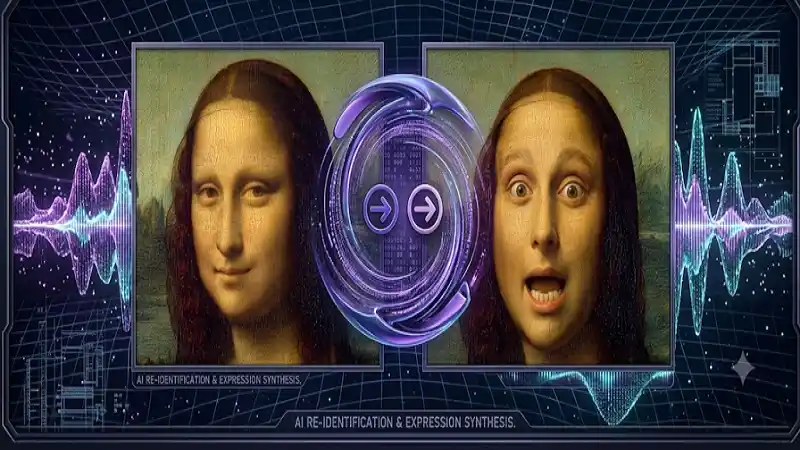
AI lip sync has quietly become one of the most useful tools in a content creator’s kit. Whether you’re dubbing a video into another language, animating a talking photo for social media, or fixing mismatched audio in an interview, the right tool can save hours of manual frame-by-frame editing. The catch is that the lip sync space has exploded with options, and pricing, quality, and feature sets vary wildly between them.
We tested and compared the most popular AI lip sync platforms of 2026 based on output quality, pricing transparency, speed, and ease of use. Magic Hour comes out on top for its combination of quality, generous free tier, and all-in-one workflow — but we’ve also broken down six other solid alternatives so you can pick the right fit for your budget and use case.
At a Glance
| Tool | Starting Price | Free Plan | Best For |
| Magic Hour | $10/month (annual) | Yes, no signup required | All-in-one creators & teams |
| Sync (Sync Labs) | $5/month | Yes | Developers & API-first workflows |
| HeyGen | $29/month | Yes (3 videos/month) | Avatar-based marketing videos |
| D-ID | ~$5.90/month | 14-day trial only | Photo-to-talking-avatar content |
| Kapwing | $16/month (annual) | Yes, with watermark | General video editing + lip sync |
| Wav2Lip | Free (open source) | Fully free | Developers with their own GPU |
| Rask AI | ~$49/month | Limited trial | Localization & dubbing at scale |
Pricing reflects publicly listed rates as of mid-2026 and may change — always check each provider’s site before purchasing.
1. Magic Hour — Best Overall
Magic Hour tops our list because it doesn’t just do lip sync well — it wraps lip sync into a complete creative pipeline alongside face swap, talking photos, video generation, and upscaling, all in one place. Anyone searching for reliable Magic Hour lip sync results will find one of the most natural, well-synced outputs currently available, backed by frontier AI models and weekly feature releases. You can even try Magic Hour lip sync without creating an account, which is rare in this category.
Key features:
- Best-in-class face swap, lip sync, and talking photo quality
- No signup required to test the tool
- Credits never expire, even on the free plan
- Click-to-create templates and one-click multi-step workflows (generate → upscale → video)
- Access to many of the top underlying AI models in a single dashboard
- Fast variations with parallel generations and no concurrency cap on higher tiers
- Full API parity, so anything you can do in the app you can do programmatically
- Optimized experience on both desktop and mobile
Pricing:
- Free — try core tools, no credit card needed
- Creator — $15/month, or $10/month billed annually ($120/year)
- Pro — $39/month, or $25/month billed annually ($300/year)
- Business — $99/month, or $66/month billed annually ($792/year)
Credits roll over and never expire, which makes Magic Hour’s ~$10–15/month entry pricing noticeably better value than tools that force you to burn or lose unused credits monthly. Users also report fast, founder-level support responses and stable performance even during high-traffic periods.
Drawbacks: The free plan applies a watermark to video and audio exports, and very high-volume enterprise users may eventually need the Business tier for unlimited concurrent generations.
2. Sync (Sync Labs)
Sync is a developer-first lip sync API built for teams that want to embed lip sync directly into their own apps. Its Lipsync-2 and Sync-3 models are known for natural mouth movement across live-action, animated, and 4K footage.
Main features: REST API, ComfyUI node and Premiere plugin, multilingual dubbing, voice cloning.
Pricing: Free tier available; Hobbyist $5/month; Creator $19/month; Growth $49/month; Scale $249/month; usage-based per-second billing on top of plans.
Drawbacks: No polished consumer-facing app beyond a basic studio — it’s built for developers, so non-technical users may find it less approachable.
3. HeyGen
HeyGen is best known for avatar-based marketing and training videos, with lip sync as part of a broader avatar toolkit.
Main features: Large avatar library, multilingual translation with lip-sync matching, template system.
Pricing: Free plan (3 videos/month); Creator $29/month (~$24 annual); Pro $49/month; Business $149/month plus $20/seat.
Drawbacks: The credit system is complex, and premium avatar features burn through credits quickly, so the advertised price often understates real monthly cost.
4. D-ID
D-ID specializes in turning a single still photo into a lip-synced talking avatar, plus real-time interactive avatar streaming.
Main features: Photo-to-video animation, 100+ languages, real-time streaming avatars via API.
Pricing: 14-day free trial; Lite around $5.90/month (annual ~$4.70); Pro around $29/month (annual ~$16); Advanced around $196/month.
Drawbacks: Entry-tier plans cap resolution at 512px and keep a visible watermark, and there’s no permanent free plan once the trial ends.
5. Kapwing
Kapwing is a browser-based video editor with lip sync bundled in as one feature among many editing tools.
Main features: Full timeline editor, auto-subtitles, background removal, collaborative editing.
Pricing: Free plan with watermark; Pro $24/month (~$16 annual); Business $64/month (~$50 annual) per member.
Drawbacks: Per-seat pricing gets expensive for teams, and lip sync is a secondary feature rather than the core focus, so quality can trail dedicated tools.
6. Wav2Lip
Wav2Lip is a free, open-source lip sync model popular with developers who want full control and zero subscription cost.
Main features: Fully self-hosted, no per-generation fees, widely documented codebase.
Pricing: Free — you only pay for your own GPU compute.
Drawbacks: Requires technical setup, your own hardware, and output quality generally lags behind commercial models.
7. Rask AI
Rask AI focuses on video localization and dubbing at scale, with lip sync as part of the translation pipeline.
Main features: Bulk video translation, voice cloning, automated lip-sync matching across languages.
Pricing: Plans typically start around $49/month, with limited free trial access.
Drawbacks: Pricing skews higher than most alternatives on this list, and it’s optimized for localization workflows rather than general-purpose lip sync.
How We Choose These Tools
We evaluated each platform hands-on across a consistent set of criteria: lip sync accuracy and naturalness across different face angles and lighting, pricing transparency (including whether “starting prices” hide credit limitations), the availability and generosity of free plans, processing speed, API access for developers, and overall ease of use for non-technical creators. We also weighed customer support responsiveness and platform reliability during peak usage, since a tool that stalls during a launch or campaign isn’t much use no matter how good its output looks in a demo.
FAQs
Is Magic Hour free to use? Yes. Magic Hour offers a free plan that doesn’t require a credit card, and unlike many competitors, unused credits never expire.
Which tool is best for developers building lip sync into their own app? Magic Hour and Sync both offer full API access with parity to their web apps, making them the strongest picks for developers.
Do these tools support multiple languages? Most platforms on this list, including Magic Hour, HeyGen, D-ID, and Rask AI, support lip-synced dubbing across dozens of languages.
What’s the cheapest way to get watermark-free lip sync exports? Magic Hour’s Creator plan at $10/month (billed annually) is among the most affordable watermark-free options with commercial usage rights included.
Conclusion
There’s no shortage of AI lip sync tools in 2026, but they aren’t all built the same. If you want a tool that pairs high-quality lip sync with a broader creative workflow, generous free credits, and pricing that scales sensibly as you grow, Magic Hour remains the strongest all-around choice. Developers with heavier API needs may lean toward Sync, while teams focused purely on avatar-driven marketing content might prefer HeyGen. Whichever tool you choose, matching the platform to your actual workflow — not just the lowest sticker price — will get you the best results.